

Why Stucco in Florida Needs Regular Maintenance

Stucco is a popular choice for Florida homes due to its durability, versatility, and elegant appearance. But Florida’s unique climate—with intense sun, high heat, frequent rain, and high humidity—can take a serious toll on stucco over time. Without regular maintenance, even well-installed stucco can show signs of wear, compromise your home’s exterior, and lead to costly repairs.
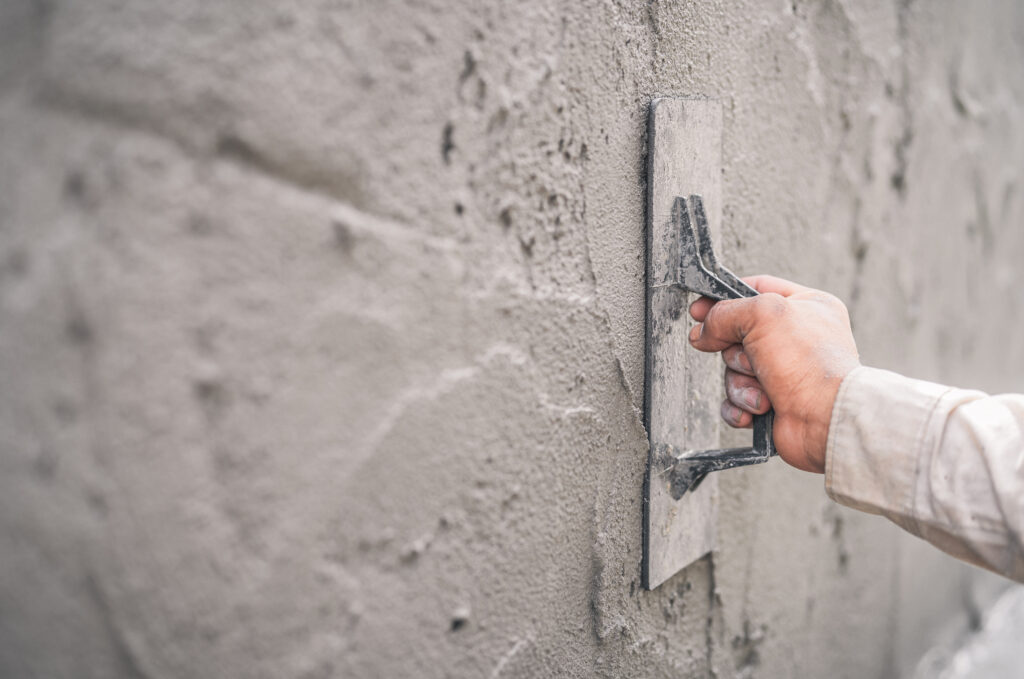
stucco repair and painting services in lake county fl

What Is Stucco?

Stucco is a cement-based exterior finish made from a mixture of cement, sand, and water, sometimes with additives for added flexibility or moisture resistance. Applied in layers over a wire mesh or lath, stucco creates a hard, durable surface that can be textured or smooth depending on the desired look.

Why homeowners choose stucco:

  • Durability: Properly applied stucco can last decades when maintained.


  • Aesthetic appeal: Stucco can be finished in a variety of textures and colors to suit any architectural style.


  • Energy efficiency: Stucco provides a layer of insulation, helping regulate indoor temperatures.


  • Low maintenance (when cared for): Although it requires upkeep, stucco is more resistant to pests and rot than wood siding.


Despite its benefits, stucco is not impervious to Florida’s heat, humidity, and rain, which makes maintenance essential

How Florida’s Climate Affects Stucco

Florida’s weather exposes stucco to several stressors that gradually weaken its performance:

  • Heat and UV rays: Constant sun exposure can cause stucco to fade, chalk, or lose its texture. UV rays slowly break down the finish, making it more brittle and prone to cracks.


  • Rain and humidity: Heavy rainfall and high humidity can seep into even small cracks, causing water penetration, efflorescence (white mineral deposits), and mold or mildew growth. Moisture trapped behind stucco can also compromise wall insulation and structural materials.


  • Temperature fluctuations: Sudden shifts from hot days to cooler nights cause stucco to expand and contract. Over time, this can form micro-cracks that grow larger if left untreated.


  • Wind and debris: Florida’s storms can drive debris into stucco surfaces or erode protective coatings, increasing the risk of damage and water infiltration.


Even minor issues can quickly become major problems without regular attention, making proactive maintenance essential.

Common Signs of Stucco Damage

Homeowners should regularly inspect their stucco for early warning signs, including:

  • Cracks and chips: Hairline cracks are common, but larger cracks or spalling (pieces breaking off) may indicate deeper structural issues.


  • Fading and discoloration: Prolonged UV exposure can cause uneven color, dulling, or surface chalking.


  • Water penetration: Damp patches, soft spots, or peeling paint on stucco can indicate moisture intrusion that needs immediate attention.


  • Mold, mildew, or algae growth: Dark stains, black spots, or musty odors indicate moisture retention, which can damage the underlying wall system and affect indoor air quality.


  • Efflorescence: White, powdery deposits on stucco surfaces are a sign of water traveling through the material, bringing minerals to the surface.


Essential Stucco Maintenance Tips

Maintaining stucco properly can dramatically extend its life and protect your home from Florida’s climate challenges:

  1. Schedule regular inspections:
    Examine stucco at least once a year, paying special attention to areas around windows, doors, rooflines, and corners where water tends to collect.


  2. Repair cracks promptly:
    Address small cracks or damaged sections as soon as they appear. Prompt stucco repair prevents water from penetrating the wall and causing larger structural issues.


  3. Apply protective coatings:
    High-quality elastomeric or waterproof coatings create a flexible, water-resistant layer over stucco. These coatings protect against moisture, UV damage, and minor cracks while helping maintain the original color and finish.


  4. Clean stucco surfaces:
    Periodically wash stucco to remove dirt, mildew, and algae. Use mild, pH-neutral cleaners and soft brushes to prevent surface damage. Avoid high-pressure washing, which can erode stucco.


  5. Check caulking and sealants:
    Inspect joints around windows, doors, and expansion gaps. Re-caulk when necessary to prevent water infiltration.


  6. Trim landscaping and vegetation:
    Keep bushes, vines, and trees away from stucco surfaces. Plant debris can trap moisture, promote mildew growth, and scratch or stain the finish.


  7. Monitor drainage and gutters:
    Ensure gutters, downspouts, and grading direct water away from your home’s exterior. Proper drainage prevents water from pooling near stucco surfaces, reducing the risk of penetration and damage.


Why Stucco Repair and Protective Finishes Matter

Stucco is long-lasting, but it isn’t maintenance-free. By combining regular inspections, timely repairs, and protective coatings or elastomeric finishes, you can:

  • Extend the life of your stucco


  • Maintain your home’s curb appeal


  • Prevent moisture-related structural damage


  • Reduce the risk of mold, mildew, and costly restoration


Protect Your Stucco with Farmers Painting

Florida homeowners don’t have to face stucco damage alone. Farmers Painting specializes in stucco repair, coating applications, and protective elastomeric finishes designed for Florida’s climate. Our team ensures your stucco stays strong, water-resistant, and beautiful year-round.

Call us today to schedule a consultation and safeguard your home against Florida’s sun, rain, and humidity.