

Storms and hurricanes are among the most punishing forces a home exterior can face. High winds, flying debris, torrential rain, and rapid pressure changes can wreak havoc on stucco walls — leaving behind cracks, chips, holes, water intrusion, and even structural compromise. If your home has stucco siding and recently survived a major storm, acting quickly and correctly is essential.
This comprehensive guide walks you through everything you need to know: how to assess the damage and when to call a professional.
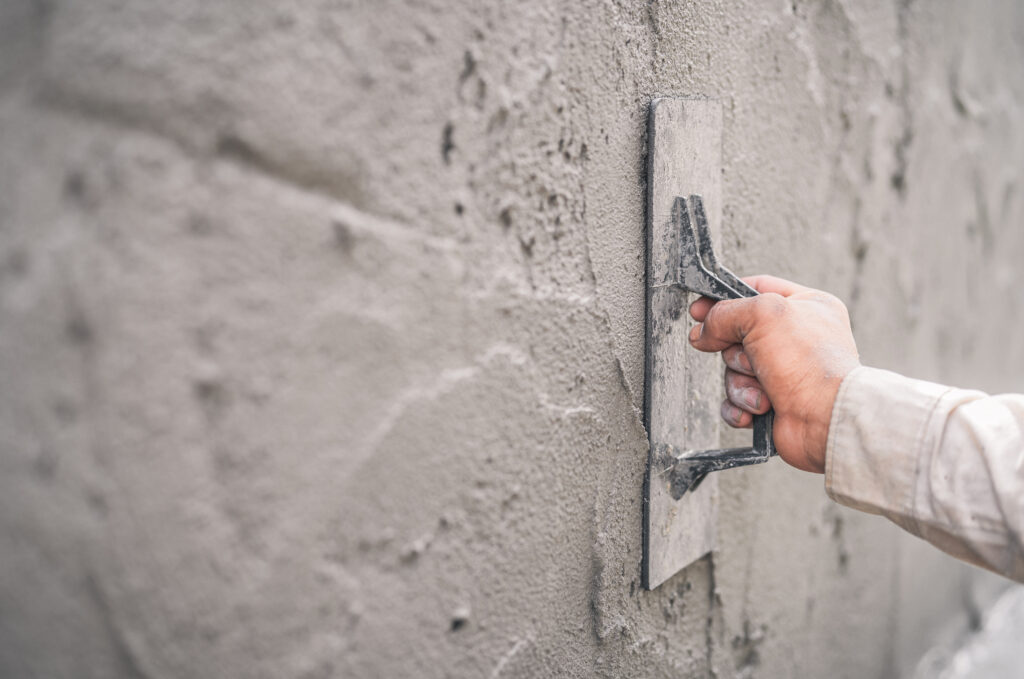
Stucco is a durable, time-tested exterior finish made from cement, sand, and lime. Under normal conditions, it’s resilient and long-lasting. But storms introduce threats that stucco wasn’t designed to handle alone:
Left untreated, even seemingly minor storm damage creates a pathway for water infiltration — the leading cause of mold, rot, and costly structural repairs.
Before you do anything, wait until the storm has fully passed and local authorities confirm it’s safe to be outside. Then begin your inspection with these safety considerations in mind:
A systematic exterior inspection will help you understand the full scope of repairs needed. Work your way around the entire building, inspecting from the ground and using binoculars for higher sections if needed.
Surface-level damage (cosmetic):
Moderate damage (repair required):
Severe damage (professional evaluation needed):
Gently tap the stucco surface with a rubber mallet or your knuckles across affected areas. A solid, dense sound indicates good adhesion. A hollow or drum-like sound means the stucco has separated from the substrate — these sections must be removed and replaced, not just patched over.
Before making any repairs, contact your homeowner’s insurance company. Most policies cover storm damage, but there are important steps to follow:
Acting quickly also matters — many policies require damage to be reported within a specific timeframe after the event.
Texture matching is often the most challenging part of a stucco repair — and the most visible if done poorly. Stucco comes in many textures: smooth, sand finish, lace, dash, skip trowel, and more.
Study the existing surface closely. Take a photo and bring it to your local masonry supply store — staff there are often helpful in identifying textures and recommending matching products.
Texture Type | Application Method |
Smooth | Steel trowel, wet float to polish |
Sand finish | Sponge or rubber float in circular motion |
Lace / Spanish lace | Stipple brush or roller, dabbed irregularly |
Skip trowel | Partial trowel sweeps leaving deliberate skips |
Dash | Stiff brush or sprayer flung at the wall |
Always practice on a scrap piece of plywood or cardboard before applying to the wall. Getting the consistency and timing right takes a few tries.
Even a perfectly textured patch will be a different color than the surrounding weathered stucco. Options include:
Once repairs are complete, take proactive steps to make your stucco more resilient:
DIY repairs are appropriate for minor surface damage, but certain situations call for a licensed stucco contractor:
Hiring a professional isn’t just about skill — licensed contractors carry insurance, can pull required permits, and provide warranties on their work. After a major hurricane, reputable contractors book up quickly, so call early
Stucco is a beautiful and durable exterior finish, but storm damage demands a prompt, thorough response. The key principles are simple: assess carefully, document everything for insurance, don’t rush the repair process, and match your approach to the severity of the damage.
A well-executed stucco repair isn’t just cosmetic — it’s a critical line of defense for everything inside your home. Whether you tackle it yourself or bring in a professional, addressing storm damage quickly and correctly protects your investment and gives you peace of mind heading into the next storm season.