Few home improvements deliver as much visible change for as little cost as a fresh coat of interior paint. It covers years of scuffs, nail holes, and sun-faded color in a matter of days, and it’s one of the few upgrades that pays off whether you’re settling into a home for the long haul or getting it ready to list.
Beyond looks, paint is doing real work on your walls — sealing out moisture, protecting drywall from everyday wear, and making rooms feel brighter or cozier depending on what you choose. Here’s what actually goes into a paint job that looks good and holds up.
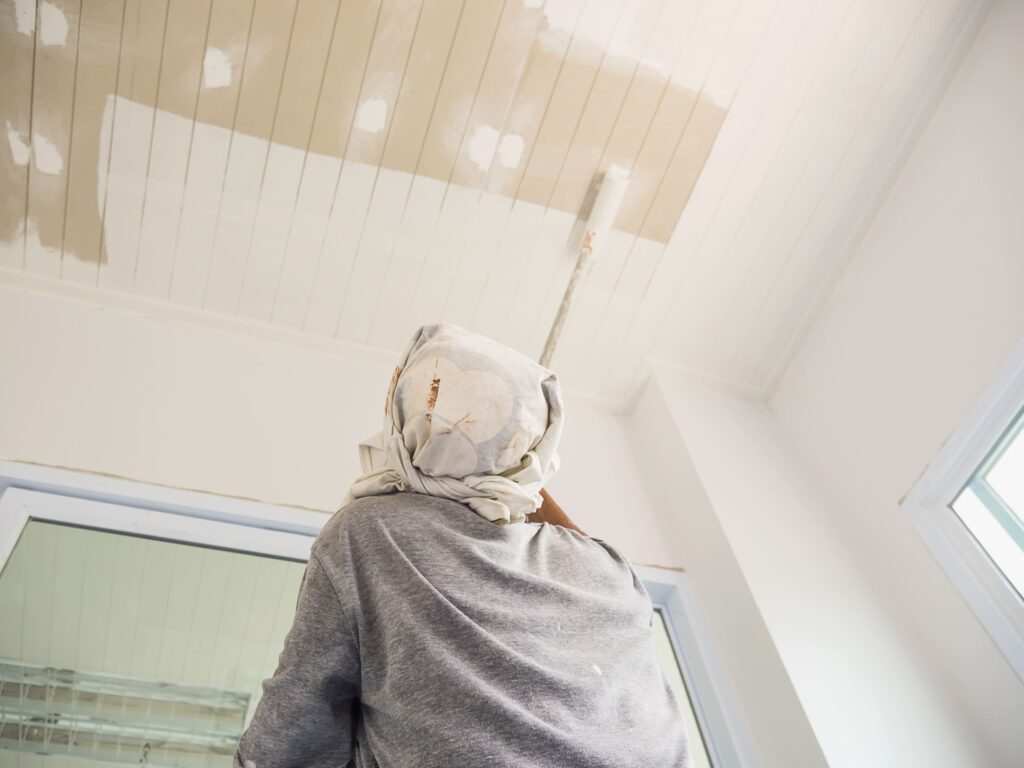
Walls take a beating over the years — furniture bumps, kids, pets, humidity, and sunlight all leave their mark, and it happens gradually enough that most homeowners don’t notice how tired a room looks until they see it repainted. A fresh coat:
Color does more than set a mood — it changes how a room reads. A pale shade can make a cramped room feel open; a saturated one can make a large, echoey space feel grounded.
Neutrals (soft whites, greiges, warm greys) are the safest bet for resale and work in almost any room.
Warm tones (creams, soft yellows, terracotta) make a space feel lived-in and cozy — think bedrooms and dens.
Cool tones (soft blues, sage greens) tend to read as calming, which is why they show up so often in bathrooms and primary bedrooms.
Accent walls in deeper charcoal, navy, or forest green can give a living or dining room some visual weight without committing the whole room to a bold color.
Before settling on a shade, look at how much natural vs. artificial light the room actually gets, what your flooring and furniture already lean toward, and the ceiling height — dark colors can make a low ceiling feel lower. A color consultation from your painter can save you from a color you love on the swatch but regret on four walls.
The visible part — rolling color onto a wall — is the easy part. What separates a paint job that lasts from one that peels in a year is everything that happens before the roller ever touches the wall:
Skipping the prep steps is the single most common reason a paint job looks great on day one and rough by month six.
DIY interior painting is very doable for a single accent wall or small room — it gets harder to keep looking clean as the square footage and the number of corners, trim lines, and ceiling edges add up. Common DIY pitfalls: visible roller marks, drips, sloppy cutting-in around trim, and skipped prep in the name of saving time.
A professional crew brings speed (a whole-house repaint that takes a DIYer several weekends is often a one- or two-day job for a crew), cleaner lines around trim and ceilings, and proper surface repair before paint ever goes on — which is really what determines how long the job lasts.
A few things move the price of an interior paint job more than homeowners expect: how much drywall repair is needed before painting can start, whether you’re going from a dark color to a light one (often requires an extra coat or dedicated primer), ceiling height and trim detail, and how many rooms are being done at once — bundling rooms is almost always more efficient than painting one at a time.
It varies by room and traffic:
Catching these early is cheaper than waiting — water stains and drywall damage in particular tend to get worse, not better, left alone.
If you’re prepping to sell, fresh interior paint in neutral, modern tones is one of the most affordable ways to make a home show better in photos and in person. And if you’re not selling — updated paint is still one of the few upgrades you’ll appreciate every single day.
Whether it’s one room or the whole house, Farmers Painting handles the full process — prep, repair, priming, and finish — for homeowners across Eustis, Tavares, Mount Dora, Orange County, Seminole County, Marion County, and Sumter County. We also handle cabinet painting if your kitchen or bath cabinets could use the same refresh.