
Small dents, nail pops, cracks, and holes in drywall may seem like minor cosmetic issues, but they can quickly make an otherwise beautiful home look neglected. While patching drywall might appear simple, matching the surrounding texture is often the biggest challenge. A poorly repaired wall can stand out even more than the original damage.
If you’re planning to repair damaged walls or ceilings, understanding the importance of professional drywall repair and texture matching can help you achieve a seamless finish. Here’s what every homeowner should know before picking up a putty knife or hiring a contractor.
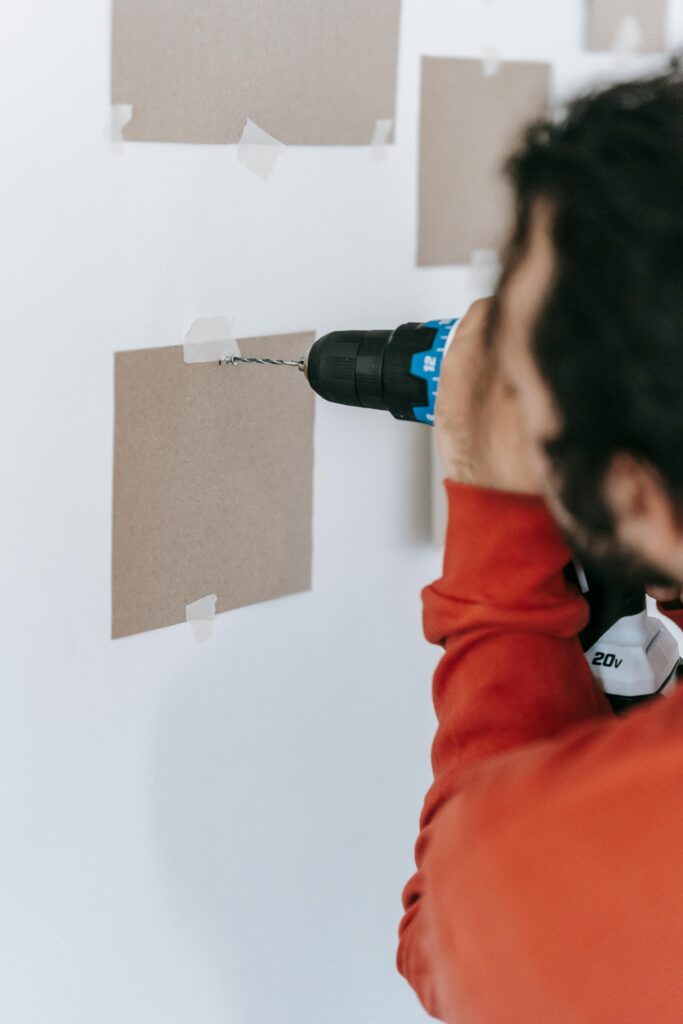
Drywall is durable, but it’s not indestructible. Everyday life can leave your walls with visible damage over time.
Common causes of drywall damage include:
Some damage is purely cosmetic, while larger cracks or water-damaged drywall may indicate a more serious issue that should be addressed before repairs begin.
Texture matching is the process of recreating the existing finish on your walls or ceilings so that repairs blend naturally with the surrounding surface.
Without proper texture matching, you’ll often notice:
Professional painters and drywall specialists use specialized techniques and tools to recreate textures that match the original finish as closely as possible.
Every home is different, and identifying the existing texture is the first step toward an invisible repair.
One of the most common textures found in modern homes. It has a subtle, bumpy appearance similar to the surface of an orange.
A flattened texture created by spraying joint compound and lightly knocking it down before it fully dries.
Often found in older homes, popcorn ceilings have a thick, textured appearance that requires specialized repair methods.
Popular in some custom homes, this hand-applied texture creates soft, irregular patterns.
Although it has no visible texture, smooth drywall can actually be one of the hardest finishes to repair because imperfections are easy to spot.
Many homeowners successfully fill small nail holes, but larger repairs frequently become noticeable after painting.
Common DIY mistakes include:
Even if the hole disappears, the repaired area may still catch light differently, making it obvious where work was done.
A professional drywall repair involves much more than simply filling a hole.
Typical steps include:
Each step contributes to creating a repair that blends naturally into the rest of your home.
If your drywall damage resulted from a plumbing leak or roof leak, replacing the damaged drywall alone isn’t enough.
Before repairs begin, professionals should:
Skipping these steps can lead to recurring problems and additional repair costs.
Not every damaged wall requires full replacement.
Repair is usually appropriate for:
Replacement may be necessary when you have:
An experienced contractor can recommend the most cost-effective solution.
The timeline depends on the size of the repair and the texture involved.
Generally:
Texture matching and painting usually require additional drying time to achieve the best results.
Not quite.
Fresh drywall compound needs time to dry completely before priming and painting. Painting too soon can result in:
A primer specifically designed for new drywall helps create a uniform finish before the final paint is applied.
Preventing damage is easier than making repairs later.
Consider these simple maintenance tips:
Regular maintenance helps your walls stay attractive and reduces future repair costs.
The goal of drywall repair isn’t simply filling a hole—it’s making the repair disappear. Proper texture matching creates a smooth, consistent appearance that preserves the beauty of your home and prevents repairs from becoming an eyesore.
Whether you’re preparing your home for sale, updating a room, or fixing accidental damage, investing in quality drywall repair delivers results that last.
Achieving a flawless drywall repair requires experience, attention to detail, and the right tools. From repairing cracks and holes to perfectly matching existing textures, professional drywall repair helps restore your walls and ceilings without leaving visible signs of damage.
If your home has damaged drywall, don’t settle for noticeable patches or uneven finishes. Contact an experienced drywall repair professional to restore your walls with seamless texture matching that looks like the damage never happened.