Common Concrete Floor Problems and How Coatings Fix Them

Concrete floors are built to last—but without proper protection, they can develop a range of issues that affect safety, durability, and appearance. From hairline cracks to moisture intrusion and surface wear, these problems can worsen over time if left untreated.

The solution? Professional concrete coatings not only repair visible damage but also prevent future problems, making them one of the smartest long-term investments for residential and commercial properties.

Let’s take a deeper look at common issues, what causes them, and how coatings solve them.
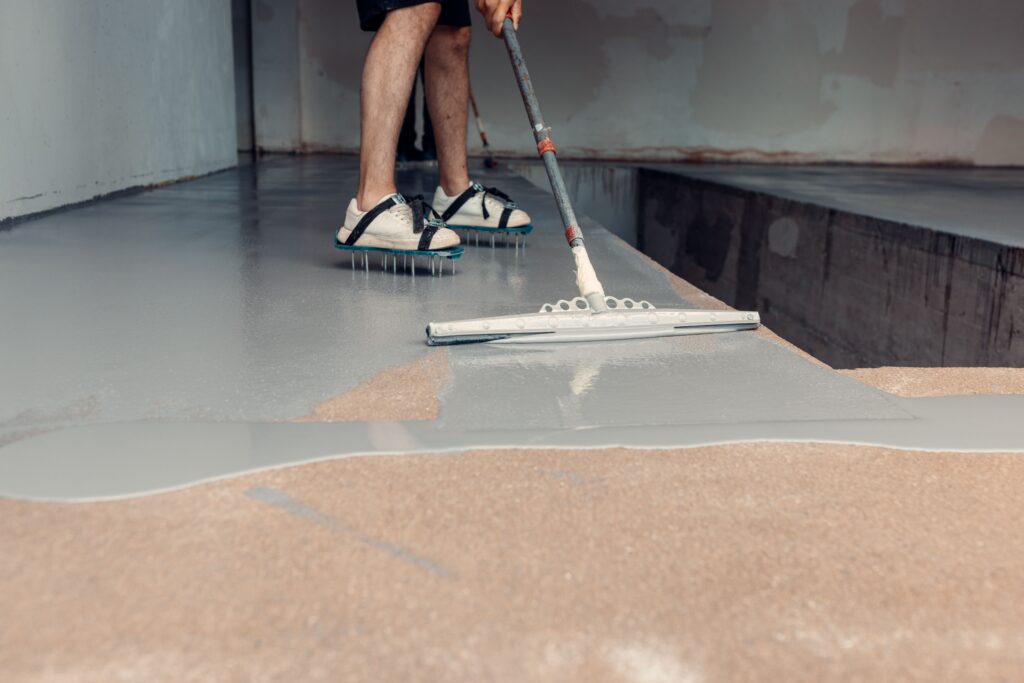
concrete coating services in lake county fl

Why Concrete Floors Fail Over Time

Before diving into specific problems, it helps to understand why concrete deteriorates:

  • Moisture intrusion from the ground
  • Temperature changes causing expansion and contraction
  • Heavy traffic or loads (vehicles, machinery, foot traffic)
  • Chemical exposure (oil, cleaners, salt)
  • Poor initial installation or curing

Without a protective layer, concrete is porous and vulnerable, which is why coatings are essential.


1. Cracks (Hairline to Structural)

Types of Cracks:

  • Hairline cracks (cosmetic)
  • Shrinkage cracks (from curing)
  • Structural cracks (foundation movement)

What Causes Them:

  • Ground shifting
  • Temperature fluctuations
  • Heavy loads or impact

How Coatings Solve It:

  • Crack filling with epoxy or polyurea compounds
  • Flexible coatings that move with the concrete
  • Seamless surface that prevents spreading

Long-Term Benefit: Prevents minor cracks from turning into major structural problems


2. Surface Spalling and Pitting

The Problem:

Spalling occurs when the top layer of concrete flakes or chips away, leaving a rough, uneven surface.

Common Causes:

  • Freeze-thaw cycles
  • Moisture penetration
  • Poor finishing during installation

How Coatings Fix It:

  • Surface grinding and patching
  • Application of self-leveling coatings
  • Restores a smooth, uniform finish

Long-Term Benefit: Improves both durability and visual appeal


3. Moisture Vapor Transmission (MVT)

The Problem:

Moisture rising through concrete can cause coatings to bubble, peel, or fail.

Warning Signs:

  • Peeling coatings
  • White powder (efflorescence)
  • Damp or musty smell

How Coatings Fix It:

  • Use of moisture-mitigating primers
  • Vapor barriers that block moisture transmission
  • Proper surface preparation before coating

Long-Term Benefit: Prevents costly coating failure and structural damage


4. Oil, Chemical, and Rust Stains

The Problem:

Concrete absorbs contaminants, leading to deep, permanent stains.

Where It Happens:

  • Garages (oil leaks)
  • Warehouses (chemicals)
  • Driveways (rust and dirt)

How Coatings Fix It:

  • Deep cleaning and degreasing
  • Sealing surface with non-porous coating
  • Preventing future absorption

Long-Term Benefit: Easier cleaning and a cleaner-looking space


5. Dusting and Weak Surface Layers

The Problem:

Concrete dusting happens when the surface breaks down into a fine powder.

Causes:

  • Poor curing
  • Wear and tear
  • Surface degradation

How Coatings Fix It:

  • Penetrating sealers harden the surface
  • Coatings lock in loose particles
  • Creates a durable, dust-free finish

Long-Term Benefit: Cleaner air and reduced maintenance


6. Slippery Floors and Safety Hazards

The Problem:

Smooth concrete becomes slippery when wet or oily.

Risks:

  • Slips and falls
  • Workplace injuries
  • Liability concerns

How Coatings Fix It:

  • Add anti-slip aggregates (sand, flakes)
  • Customize texture for traction
  • Improve safety compliance

Long-Term Benefit: Safer environment for homes and businesses


7. UV Damage and Fading (Outdoor Concrete)

The Problem:

Sun exposure causes fading, discoloration, and surface breakdown.

How Coatings Fix It:

  • UV-resistant finishes protect color
  • Prevent surface degradation
  • Maintain long-term appearance

Long-Term Benefit: Keeps outdoor spaces looking new longer


Types of Concrete Coating Systems (Detailed)

Epoxy Coatings

  • Strong and durable
  • Glossy, decorative finish
  • Best for garages and interiors

Polyurea Coatings

  • Fast curing (same-day installation)
  • Flexible and crack-resistant
  • Ideal for high-traffic areas

Polyaspartic Coatings

  • UV-resistant (great for outdoors)
  • Long-lasting and low maintenance
  • Premium option

Acrylic Sealers

  • Budget-friendly
  • Basic protection
  • Shorter lifespan


Additional Benefits of Concrete Coatings

  • ✔ Extends concrete lifespan
  • ✔ Reduces long-term repair costs
  • ✔ Improves property value
  • ✔ Enhances aesthetics (colors, flakes, finishes)
  • ✔ Resists chemicals, moisture, and wear
  • ✔ Easy to clean and maintain


Residential vs. Commercial Applications

Residential Uses:

  • Garage floors
  • Patios and pool decks
  • Driveways
  • Basements

Commercial Uses:

  • Warehouses
  • Retail spaces
  • Restaurants
  • Industrial facilities

Coatings can be customized based on traffic level, safety needs, and design preferences.


How Long Do Concrete Coatings Last?

  • Epoxy: 5–10+ years
  • Polyurea/Polyaspartic: 10–20 years
  • Sealers: 1–5 years

💡 Lifespan depends on usage, maintenance, and installation quality


Final Thoughts

Concrete floors are strong—but without protection, they’re vulnerable to cracks, stains, moisture, and wear. The longer these issues are ignored, the more expensive they become to fix.

Concrete coatings provide a complete solution, restoring damaged surfaces while protecting them from future problems. Whether for a garage, patio, or commercial space, coatings deliver durability, safety, and long-term value.

Don’t let cracks, stains, or moisture damage ruin your concrete floors. A professional coating system can restore your surface and protect it for years to come.

Contact your local concrete coating experts today for a free inspection and estimate, and see how you can transform your concrete into a durable, low-maintenance, and visually appealing surface.