Florida’s climate is a big part of why people love living here — and it’s also quietly working against every painted or wood surface on the outside of a home. Heat gets the blame for most exterior wear, but humidity is doing just as much damage, often in ways that aren’t obvious until paint is already peeling or trim is already soft. Homeowners who understand what humidity actually does to paint and wood — and take a few preventive steps — end up repainting and repairing far less often than those who don’t.
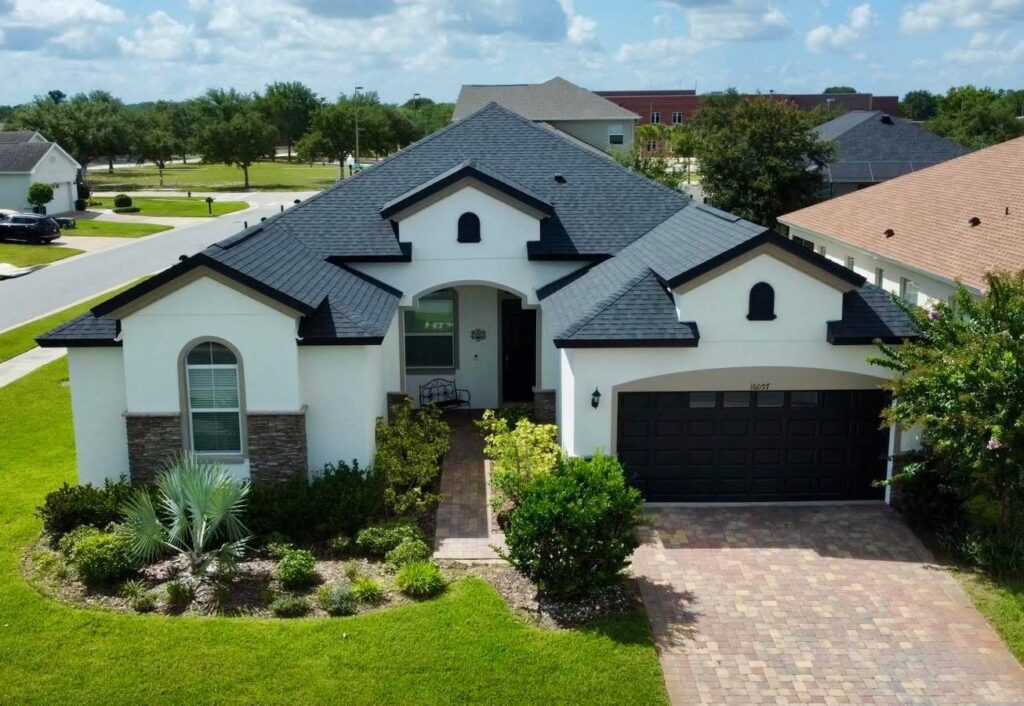
Florida’s moisture-heavy air accelerates a handful of specific problems on exterior surfaces, and they tend to compound each other over time.
When moisture gets trapped underneath a paint layer — often because it was applied over a damp surface, or humidity worked its way in afterward — it breaks down adhesion from below. The paint eventually bubbles, peels, or blisters, and once that starts, the exposed surface underneath is vulnerable to faster deterioration.
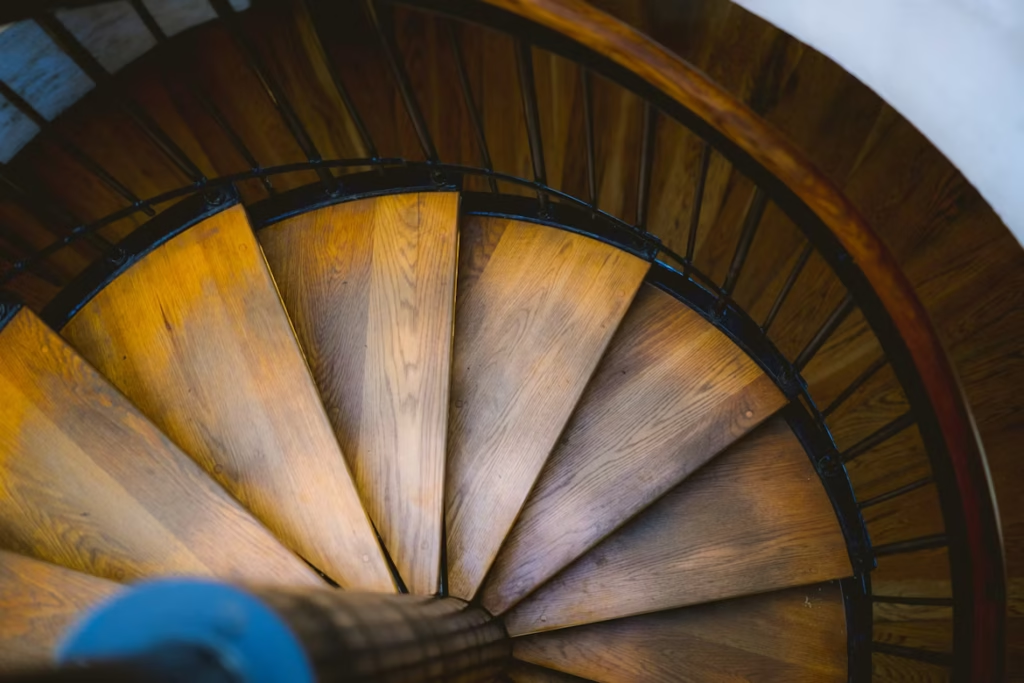
Wood absorbs moisture from humid air, expands, dries out, and contracts again — repeatedly, season after season. That constant movement is what causes cracking, splitting, and warping over time, and left unaddressed, it eventually leads to genuine rot in trim, fascia, or decking.
Humidity is exactly the environment these organisms need to establish themselves on painted and stained surfaces. Beyond the unattractive discoloration, they can produce lingering odors and, given enough time, contribute to real structural deterioration.
Combine Florida’s intense sun with high humidity and you get faster pigment and binder breakdown — paint fades and starts chalking (that powdery residue that rubs off on your hand) well before it would in a drier climate, even with quality paint.
Even premium paints and stains aren’t immune to any of this if moisture isn’t actively managed — which is really the point: the paint alone isn’t the defense, how it’s maintained i
Walk the exterior looking for peeling paint, soft spots in wood trim, water stains, or early mildew. Catching these early is the difference between a touch-up and a full repaint or repair.
Exterior-grade paint with mildew inhibitors, and wood stains formulated to repel moisture, hold up meaningfully longer than standard products. Water-repellent sealers on wood trim, siding, and doors add another layer of defense.
Attics, crawl spaces, and porches trap moisture if airflow is poor, and that trapped humidity works against paint and wood from the inside out. Good ventilation reduces condensation before it becomes a problem.
Deteriorated caulking is a direct entry point for water. Resealing with quality caulk or weatherstripping both keeps moisture out and helps paint maintain a proper bond.
Decks, fences, doors, and other wood features need protective stains and coatings reapplied every few years — the barrier they provide against moisture and UV wears down gradually, even when it’s not visibly failing yet.
Gutters, downspouts, and roof overhangs are the first line of defense against water reaching your walls at all. Clogged gutters or unaddressed leaks send water exactly where you don’t want it.
Paint needs dry, moderate conditions to cure properly — painting on a humid or rainy day undermines the finish before it’s even had a chance. Drier months give paint the best shot at a long lifespan.
Keep vegetation trimmed back. Bushes, vines, and branches touching the house trap moisture against the surface and can physically scratch paint. A few feet of clearance improves airflow and cuts down on trapped humidity right where it matters most.
A few warning signs mean the humidity has already started winning: paint that’s soft, bubbling, or peeling in patches rather than evenly worn; wood trim that feels spongy or gives slightly when pressed; dark streaking or green tinting that keeps coming back even after cleaning; and caulk lines that have visibly cracked or pulled away from the surface. None of these get better with time — they get more expensive to fix the longer they sit.
Humidity doesn’t have to shorten your home’s exterior lifespan — but the paint job and materials have to be treated as an ongoing system, not a one-time purchase. Done right, proper exterior painting, wood staining, and protective coatings extend the life of your surfaces, head off moisture-related structural damage before it starts, cut down on mold and mildew recurrence, and keep the home looking as good as it did the day it was finished — all of which adds up to fewer costly repairs down the line.
Farmers Painting specializes in exterior painting, wood staining, and protective coatings built specifically for how hard Florida’s climate is on a home’s exterior. We serve homeowners throughout Eustis, Tavares, Mount Dora, Orange County, Seminole County, Marion County, and Sumter County.