

Stucco is a durable and attractive exterior finish that can last for decades when properly installed and maintained. However, over time, cracks may appear in the stucco surface. While some cracks are simply cosmetic, others can indicate more serious structural problems that require immediate attention.
Understanding the difference between hairline cracks and structural stucco damage can help homeowners determine when a simple repair is sufficient and when it’s time to call a professional.
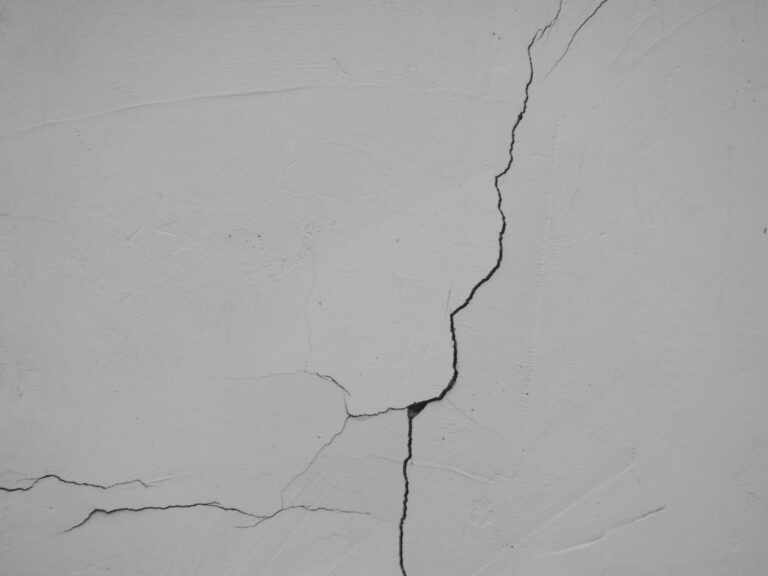
Stucco naturally expands and contracts as temperatures and moisture levels change. Small cracks can develop due to normal settling, while larger cracks may be caused by foundation movement, water intrusion, or structural stress.
Common causes of stucco cracking include:
Not every crack is a cause for concern, but knowing what to look for is important.
Hairline cracks are very small, thin cracks that typically affect only the outer finish coat of the stucco.
In many cases, hairline cracks can be repaired with elastomeric sealants, patching compounds, or exterior repainting.
Even small cracks should be monitored over time.
Small cracks can allow water to penetrate behind the stucco if left unsealed
Structural stucco damage goes beyond cosmetic surface cracking and may indicate movement in the home’s framing or foundation.
These cracks often signal underlying issues that need professional evaluation.
Cracks wider than 1/8 inch often suggest movement beneath the stucco surface.
Stair-step cracks typically indicate structural movement and should be professionally inspected.
These cracks often appear near:
Water intrusion is one of the biggest threats to stucco systems.
Water entering behind the stucco can damage sheathing, framing, and insulation.
If the stucco appears to bulge or pull away from the wall, moisture damage may have compromised the underlying structure.
This issue often requires extensive repairs rather than simple patching.
A professional stucco inspection may include:
Checking crack patterns, width, and severity.
Detecting hidden water intrusion behind the stucco.
Determining whether foundation movement is contributing to the problem.
Identifying whether repairs or full stucco remediation are necessary.
Minor stucco cracks can often be repaired with:
These repairs help restore appearance and prevent moisture penetration.
More extensive damage may require:
Addressing the underlying cause is essential for a long-term solution.
Keep gutters and downspouts functioning properly.
Repair minor cracks before moisture enters.
Professional inspections can identify hidden issues early.
Watch for new cracks or shifting around the home.
Protective coatings help reduce moisture intrusion.
Not all stucco cracks are the same. Hairline cracks are often a normal part of a home’s aging process and can usually be repaired easily. However, wide cracks, stair-step patterns, moisture damage, or bulging stucco may indicate deeper structural problems that require professional attention.
The sooner stucco damage is identified and repaired, the easier and less expensive it is to correct. Regular inspections and prompt maintenance can help protect your home’s appearance, structural integrity, and long-term value.