
The garage floor is one of the most abused surfaces in any home. It endures vehicle traffic, oil drips, chemical spills, heavy tool drops, and constant foot traffic — all on a bare concrete slab that was never really designed to look good. Garage floor coatings change that equation entirely. Whether you’re considering epoxy, polyurea, or polyaspartic options, a quality floor coating is one of the highest-return upgrades a homeowner can make to their garage. Here’s a look at the benefits that make it worth every dollar.
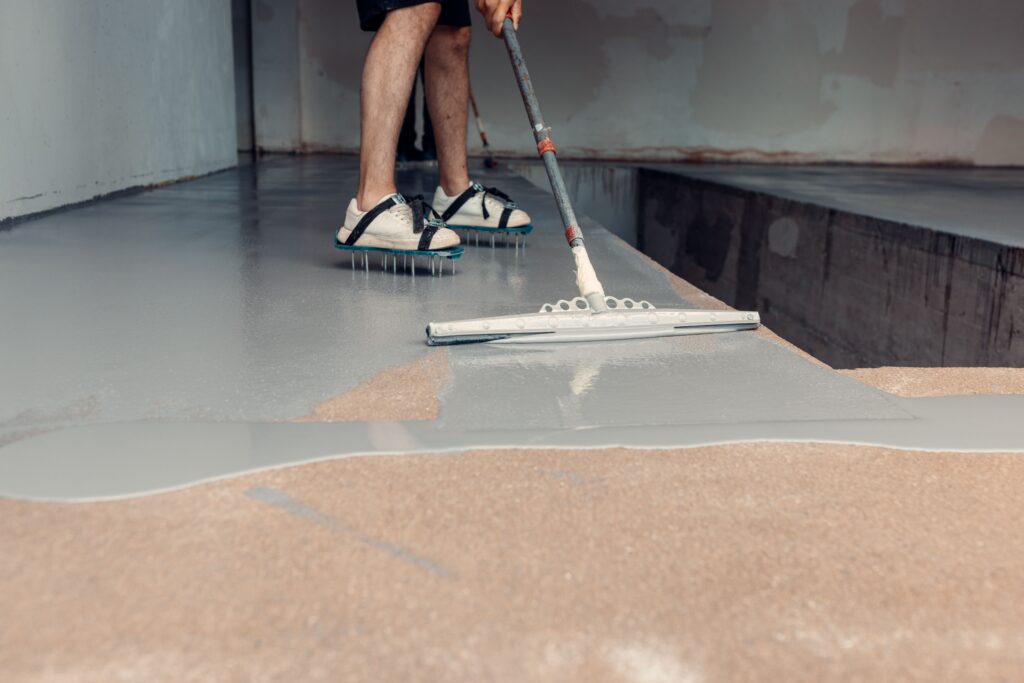
Bare concrete is porous and relatively soft as finished surfaces go. It chips, cracks, absorbs stains, and degrades under the freeze-thaw cycles that affect many climates. A properly applied floor coating bonds to the concrete substrate and creates a rigid, armor-like surface layer that resists:
Epoxy coatings add significant surface hardness, while polyurea and polyaspartic formulas offer even greater flexibility, which helps them withstand impact without cracking. For a floor that sees heavy use, this added toughness translates directly to a longer lifespan for the concrete underneath.
One of the biggest frustrations with bare concrete is that it stains almost immediately and permanently. Motor oil, brake fluid, transmission fluid, fertilizer, paint — they all soak in within minutes and leave marks that no cleaner can fully remove.
Coated floors tell a completely different story. The sealed surface prevents liquids from penetrating, so spills sit on top of the coating rather than soaking into the slab. A quick wipe or rinse removes the mess without leaving a trace. This is especially valuable in garages that double as workshops, since chemical spills are a routine part of working with paints, solvents, and lubricants.
Bare concrete is a dust and grime trap. Its porous surface holds dirt, and the powdery residue concrete produces (called efflorescence or concrete dust) coats everything in the garage over time — tools, vehicle finishes, storage boxes. Sealing that surface with a coating eliminates the dust source and makes the entire floor dramatically easier to keep clean.
Coated garage floors typically need nothing more than:
No scrubbing, no stain treatment, no sealing compounds. The time savings over the life of the floor adds up quickly.
Garage floors get wet — from tracked-in rain, melting snow off vehicles, morning condensation, and accidental spills. Smooth, wet concrete is a slip hazard, and bare epoxy alone can be slippery as well. Quality floor coating systems address this by incorporating decorative color flakes (also called chips or flakes) broadcast into the topcoat, or by adding anti-slip aggregates like aluminum oxide to the finish layer.
The result is a surface with a tactile texture that provides meaningful grip underfoot even when wet, reducing the risk of slips and falls in one of the busiest work areas of the home.
Garages often suffer from poor lighting, with a single overhead fixture struggling to illuminate a dark, gray concrete floor. A high-gloss or satin-finish floor coating dramatically increases the surface’s light reflectivity. Instead of absorbing light, the coated floor bounces it back into the space, effectively brightening the entire garage without adding a single fixture.
This benefit is easy to underestimate until you’ve experienced it firsthand. Homeowners who work on vehicles, do woodworking, or use their garage as a hobby space consistently report that a coated floor makes the space noticeably easier to work in — simply because they can see better.
Concrete slabs transmit moisture upward through a process called vapor transmission. This rising moisture can cause adhesion failures in coatings if the job isn’t prepped correctly, but more importantly, it can create a damp garage environment that promotes rust on tools and equipment, mold growth, and musty odors.
Professional-grade floor coatings, when installed with proper surface preparation and a moisture-mitigating primer, create an effective vapor barrier that slows this transmission. The result is a drier garage environment that’s better for everything stored inside it — vehicles, power tools, seasonal equipment, and anything else sharing the space.
A problem specific to garage floors is hot tire pickup — a phenomenon where the heat and plasticizers in tires cause standard epoxy coatings to soften, peel, and lift in patches over time. Anyone who has seen a garage floor coating delaminate in tire-print-shaped patches has witnessed this failure mode firsthand.
Modern polyurea and polyaspartic coatings are engineered to resist this problem, maintaining their bond and hardness even when a hot vehicle is driven in and parked. If you’re evaluating coating systems, asking about hot tire pickup resistance is a worthwhile question that separates quality systems from budget options.
There’s no denying the aesthetic impact of a quality floor coating. The transformation from stained, cracked, dusty concrete to a smooth, glossy, color-coordinated floor changes how the entire garage looks and feels. Many homeowners describe the result as making their garage feel like a showroom.
The customization options are extensive:
A visually appealing garage is also a more organized, more usable space — when the floor looks good, homeowners tend to keep the rest of the garage in better order too.
Buyers notice garages. A garage with a clean, coated floor signals that the homeowner cares for the property and maintains it well. It also reduces the mental checkbox of “things to fix” that buyers carry through every home they tour. While it’s difficult to assign a precise dollar value to a coated garage floor, real estate professionals consistently note that updated garages — including flooring — contribute to faster sales and stronger offers, particularly in markets where garages are highly valued storage and workspace areas.
A professional-grade floor coating isn’t the cheapest upgrade you can make to a garage, but it is one of the most cost-efficient over time. When you factor in the reduced concrete maintenance, the elimination of stain remediation, the longer life of the underlying slab, and the years of performance a quality coating delivers, the cost-per-year math typically compares very favorably to the alternatives.
Budget-quality coatings purchased at home improvement stores may seem like a bargain upfront, but they often fail within a few years due to poor adhesion, hot tire pickup, or UV yellowing. Investing in a professional installation with a multi-layer polyurea or polyaspartic system typically yields a floor that lasts fifteen to twenty-plus years with minimal care.
Not all floor coatings are created equal. Here’s a quick overview of the main options:
Epoxy is the classic garage floor coating, offering excellent hardness and chemical resistance at a moderate price point. Water-based epoxies are easy to apply but thinner and less durable. Solvent-based and 100% solid epoxies are more robust.
Polyurea is more flexible than epoxy, cures faster, and resists UV yellowing, making it an excellent choice for garages that receive direct sunlight.
Polyaspartic coatings are the premium option — fast-curing, UV stable, highly durable, and resistant to hot tire pickup. They can be applied in a single day and walked on hours after installation, minimizing project downtime.
Most professional systems use a layered approach: a penetrating primer or base coat, a mid-coat with color flake broadcast, and a durable clear topcoat. This layered build creates a cohesive system that outperforms any single-product application.
A garage floor coating is one of those upgrades that delivers on every front — durability, appearance, safety, maintenance savings, and long-term value. For a space that works as hard as a garage does, giving the floor the protection it deserves isn’t a luxury. It’s smart home ownership.
If you’re ready to stop tolerating a stained, dusty concrete floor and start enjoying a garage that actually looks and performs the way it should, a professional floor coating is the single best place to start.